
In This Article
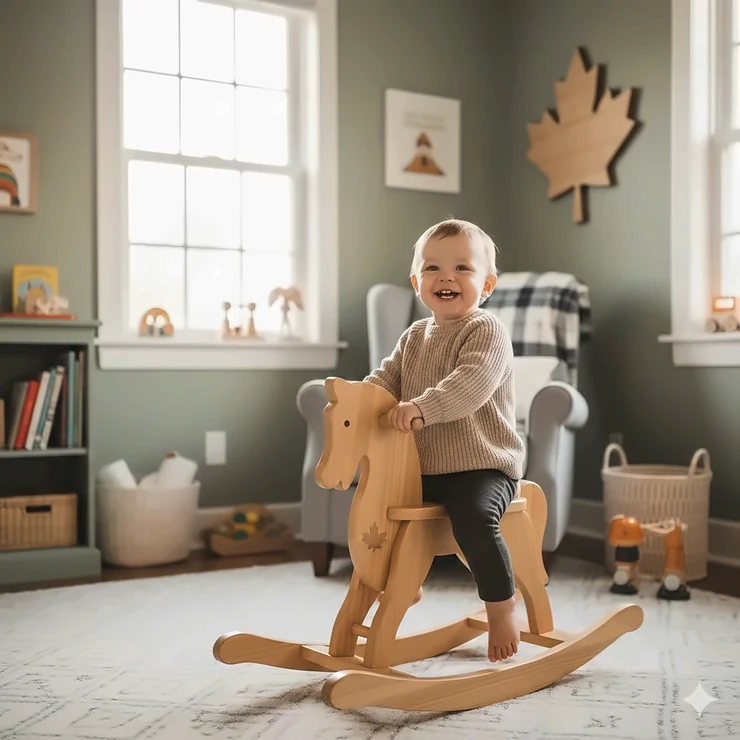
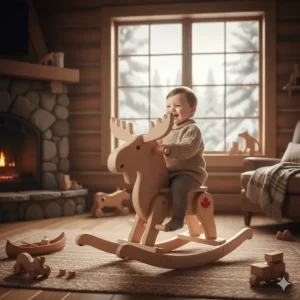
Remember the pure joy on a child’s face as they rock back and forth on their very first rocking horse? That timeless toy isn’t just adorable nursery decor—it’s actually a powerful developmental tool that’s been helping Canadian toddlers build essential skills for generations.
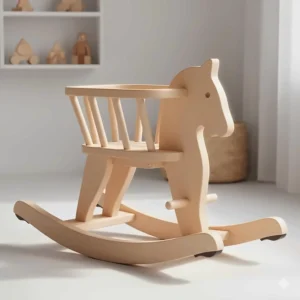
After researching dozens of products available on Amazon.ca and consulting developmental experts, I’ve discovered something fascinating: rocking horses do far more than entertain. They stimulate the vestibular system, which helps toddlers develop balance, spatial awareness, and even language skills. The gentle rocking motion that seems so simple is actually training your little one’s brain to process movement and maintain equilibrium.
Whether you’re shopping for your own child or searching for that perfect gift for a Canadian baby shower, choosing the right rocking horse for toddlers matters more than you might think. From classic wooden designs that become family heirlooms to modern plush versions with interactive sounds, the Canadian market offers incredible variety—but not all products are created equal. This guide cuts through the confusion with real products, actual Canadian prices in CAD, and honest comparisons to help you make the best choice for your family.
Quick Comparison Table: Top Rocking Horses at a Glance
| Product Name | Type | Age Range | Price (CAD) | Weight Limit | Best For |
|---|---|---|---|---|---|
| Storkcraft Wooden Rocking Horse | Wooden | 12+ months | $99.99 | 40 lbs | Classic durability |
| Animal Alley Plush Rocker | Plush | 18+ months | $49.98 | 50 lbs | Budget-friendly |
| Goki Wooden Rocking Horse | Wooden | 12+ months | $167.99 | 55 lbs | Premium heirloom |
| PlanToys Palomino | Wooden | 18+ months | $91.00 | 40 lbs | Eco-conscious |
| Qaba Plush Cowboy Rocker | Plush | 36-72 months | $75-95 | 66 lbs | Interactive sounds |
| FUNLIO Elephant Rocker | Plush | 6-36 months | $60-80 | 50 lbs | Youngest riders |
| B. toys Kazoo Zebra | Plush/Wood | 18+ months | $85-110 | 50 lbs | Unique design |
💬 Just one click – help others make better buying decisions too!😊
Top 7 Rocking Horse for Toddlers: Expert Analysis 🏆
1. Storkcraft Wooden Rocking Horse – Best Overall Value
This Canadian favourite combines traditional craftsmanship with modern safety standards, making it a top choice for families across the country. Available exclusively at Toys R Us Canada, the Storkcraft Wooden Rocking Horse delivers exceptional quality at a price point that won’t break the bank.
Key Specifications:
- Sustainable rubberwood construction
- Multiple non-toxic finishes (white, black, espresso)
- Textured mane and tail details
- Meets all Canadian federal safety standards
Canadian Price: $99.99 CAD
Parents love this rocker for its sturdy build and classic aesthetic that complements any nursery décor. One Toronto mother shared that her 18-month-old daughter has been using it daily for six months with zero wobbling or wear. The sensory vestibular development benefits are immediately noticeable—toddlers naturally understand the rocking motion and quickly develop better balance control.
✅ Pros:
- Exceptional build quality for the price
- Timeless design works as classic nursery decor piece
- Easy assembly with clear instructions
❌ Cons:
- Weight limit of 40 lbs may outgrow quickly
- Limited padding on seat
Best For: Parents seeking heirloom quality craftsmanship without premium pricing.
2. Animal Alley Rocking Horse – Best Budget Option
For Canadian families watching their budgets, this Toys R Us exclusive offers remarkable value. The Animal Alley Rocking Horse proves you don’t need to spend over $100 to get a safe, engaging plush rocking animal for your toddler.
Key Specifications:
- Soft polyester plush over sturdy foam
- Metal stirrups with wooden base
- Fabric bridle and saddle details
- Suitable for 18+ months
Canadian Price: $49.98 CAD (often on clearance)
Canadian reviewers consistently praise this rocker’s snuggly construction and realistic details. A Vancouver parent noted their son treats it like both a toy and a cuddle buddy. The plush design is particularly appealing for younger toddlers still developing motor control, as there are no hard edges to worry about.
✅ Pros:
- Incredibly affordable for Canadian market
- Soft construction ideal for younger toddlers
- Doubles as comfort toy
❌ Cons:
- May show wear faster than wooden alternatives
- Less support for developing riders
Best For: Budget-conscious families or grandparents wanting quality at a lower price point.
3. Goki Wooden Rocking Horse – Premium Heirloom Choice
When you’re investing in a piece that could serve multiple children and potentially become a family heirloom, the Goki Wooden Rocking Horse stands in a class of its own. This European-crafted beauty represents the pinnacle of natural wood toy manufacturing.
Key Specifications:
- Scandinavian natural wood construction
- Hand-crafted with attention to detail
- Seat height: 30 cm
- Dimensions: 78 x 30.5 x 57 cm
Canadian Price: $167.99 CAD
This isn’t just a toy—it’s a statement piece. The natural wood finish and minimalist Scandinavian design appeal to parents who appreciate refined aesthetics. Canadian customers report this rocker handling years of daily use without any structural concerns. The weight capacity of 25 kg (55 lbs) means it grows with your child longer than most alternatives.
✅ Pros:
- Museum-quality craftsmanship
- Natural materials align with eco-conscious parenting
- Exceptional longevity and durability
❌ Cons:
- Premium price point
- May require assembly patience
- Limited availability (Baby Joy Canada)
Best For: Families prioritizing natural materials and multi-generational quality.
4. PlanToys Palomino Rocking Horse – Best Eco-Friendly Option
Sustainability-minded Canadian parents will appreciate this rocker from PlanToys, a company renowned for environmental responsibility. The Palomino model delivers on both ecological values and developmental benefits.
Key Specifications:
- Chemical-free rubberwood
- Formaldehyde-free glue construction
- Organic pigments and water-based dyes
- Built-in safety stops prevent tipping
Canadian Price: $91.00 CAD (regular $130.00)
Made in Thailand using sustainable practices, this rocking horse proves eco-friendly doesn’t mean compromising on quality. The parallel rocker design ensures smooth, controlled motion perfect for sensory vestibular development. Manitoba parents report the safety stops give them peace of mind, especially with enthusiastic rockers who might otherwise tip backwards.
✅ Pros:
- Certified sustainable materials
- Built-in safety features
- Free shipping over $100 CAD within Canada
❌ Cons:
- Moderate weight capacity (40 lbs)
- May be too simple for older toddlers seeking features
Best For: Environmentally conscious families who prioritize sustainable toy choices.
5. Qaba Plush Cowboy Rocking Horse – Best Interactive Features
For toddlers who crave sensory stimulation, the Qaba Plush Cowboy Rocking Horse delivers engaging sounds and textures that transform rocking time into an immersive experience. This is where traditional meets modern in the best way possible.
Key Specifications:
- Realistic neighing and galloping sounds
- Soft plush fabric with comfortable saddle
- Designed for ages 3-6 years
- Supports up to 66 lbs (30 kg)
Canadian Price: $75-95 CAD on Amazon.ca
The audio feature isn’t just entertaining—it reinforces cause-and-effect learning as toddlers discover their movements trigger sounds. Ontario parents note their children spend significantly more time engaged with this rocker compared to silent alternatives. The extended age range means this investment serves your child through multiple developmental stages.
✅ Pros:
- Interactive sounds enhance engagement
- Generous weight capacity
- Sturdy construction withstands enthusiastic play
❌ Cons:
- Requires batteries for sound function
- Slightly bulkier footprint
Best For: Active toddlers who respond well to multi-sensory stimulation.
6. FUNLIO Elephant Baby Rocking Horse – Best for Youngest Riders
Designed specifically for Canada’s littlest riders, the FUNLIO Elephant accommodates babies as young as six months with appropriate support. This plush rocking animal bridges the gap between infant toys and toddler equipment.
Key Specifications:
- Suitable from 6 months to 3 years
- CPC and CE certified safety
- Easy assembly design
- Gentle rocker curve for beginners
Canadian Price: $60-80 CAD
The elephant design offers whimsical appeal that stands out from traditional horses. British Columbia parents appreciate how the gentle rocking motion soothes fussy babies while building vestibular awareness from an early age. The stuffed plush construction ensures even tumbles are cushioned and safe.
✅ Pros:
- Youngest age rating in this comparison
- Adorable alternative to horse designs
- Safety certifications provide confidence
❌ Cons:
- Shorter useful lifespan due to weight limits
- Plush may stain more easily
Best For: Parents wanting to start vestibular development early with infants.
7. B. toys Kazoo Wooden Rocking Zebra – Most Unique Design
Canadian families seeking something beyond the standard horse will love the B. toys Kazoo Zebra. This handcrafted rocker combines wooden durability with distinctive zebra theming that sparks conversations and imagination.
Key Specifications:
- Handcrafted wooden base
- Plush zebra body
- Comfort saddle design
- Secure, stable base
Canadian Price: $85-110 CAD
The zebra design opens up educational opportunities about animals while providing all the developmental benefits of traditional rocking horses. Quebec parents report their bilingual toddlers learn animal names in both French and English during playtime. The hybrid construction merges the best aspects of wooden and plush designs.
✅ Pros:
- Unique animal inspires curiosity
- Handcrafted quality
- Hybrid design balances durability and comfort
❌ Cons:
- Mid-range pricing
- Availability can be spotty on Amazon.ca
Best For: Families wanting educational elements combined with active play.
✨ Don’t Miss These Exclusive Deals!
🔍 Take your toddler’s development to the next level with these carefully selected products available in Canada. Click on any highlighted item to check current pricing and availability on Amazon.ca or Toys R Us Canada. These rockers will help you create authentic developmental progress your family will cherish for years!
Understanding Sensory Vestibular Development Through Rocking
The vestibular system often gets overlooked in conversations about child development, yet it plays a crucial role in how toddlers navigate their world. Located in the inner ear, this sensory system processes information about movement and spatial orientation—and rocking horses provide exactly the type of gentle, repetitive motion that strengthens it.
Research from child development specialists reveals that the vestibular sense is the first sensory system to develop in the womb, starting around five months of gestation. After birth, activities that change a child’s position or create rocking motion continue this development. According to occupational therapists, slow rocking movements help children calm down and regulate their nervous system, while building core strength and balance awareness.
When your toddler rocks back and forth on their rocking horse for toddlers, they’re not just having fun. They’re teaching their brain to:
Process Movement Information – The rhythmic motion sends signals to the brain about position and speed, helping develop spatial awareness that later supports skills like running and climbing.
Build Motor Planning Skills – Coordinating the movements needed to rock requires planning and execution, strengthening neural pathways for complex physical tasks.
Enhance Visual Tracking – As the world moves past during rocking, toddlers practice keeping visual focus, a skill essential for reading and sports.
Develop Self-Regulation – The repetitive, predictable motion has a naturally calming effect that helps children learn to soothe themselves.
Canadian occupational therapists frequently recommend rocking toys as part of sensory integration therapy. The gentle input from a rocking horse provides what experts call “organizing” vestibular stimulation—it helps the nervous system function more efficiently without overwhelming young sensory systems.
Developmental Benefits vs Traditional Toys
| Benefit Area | Rocking Horse | Traditional Ride-On | Push Walker | Stationary Toys |
|---|---|---|---|---|
| Vestibular stimulation | Excellent | Moderate | Low | None |
| Core strength building | High | Moderate | Moderate | Low |
| Balance development | Excellent | Good | Excellent | None |
| Spatial awareness | High | Moderate | Moderate | Low |
| Self-regulation support | Excellent | Low | Low | None |
| Imaginative play | Excellent | Good | Low | Moderate |
| Multi-year use | Yes (2-5 years) | Yes (1-3 years) | No (6-12 months) | Varies |
✨ Ready to Support Your Toddler’s Development?
🎯 Explore our top-rated rocking horse selections available now on Amazon.ca. Each product has been carefully evaluated for safety, quality, and developmental benefits. Click any bolded product name to check current prices, read Canadian customer reviews, and find the perfect match for your little one!
Wooden Rocking Horse vs Plastic: Making the Right Material Choice
One of the biggest decisions Canadian parents face is choosing between traditional wooden rocking horses and modern plastic or plush alternatives. Each material brings distinct advantages to the table, and the “best” choice really depends on your family’s priorities and circumstances.
Material Comparison: Wood vs Plastic vs Plush
| Feature | Wooden | Plastic/Composite | Plush |
|---|---|---|---|
| Durability | Excellent (20+ years) | Good (5-10 years) | Fair (2-5 years) |
| Safety for falls | Hard surface | Moderate | Soft, cushioned |
| Maintenance | Low (occasional oil) | Very low (wipe clean) | High (vacuum, spot clean) |
| Environmental impact | Sustainable if certified | Depends on materials | Moderate |
| Price range (CAD) | $90-200+ | $60-120 | $50-110 |
| Heirloom potential | High | Low | Very low |
| Canadian climate tolerance | Excellent | Excellent | Good (humidity issues) |
Wooden Rocking Horses: The Classic Choice
Wooden models like the Storkcraft and Goki options represent old-world craftsmanship that can literally last generations. The natural material appeals to parents concerned about chemicals and sustainability. High-quality wooden rocking horses often use sustainable rubberwood or maple, finished with non-toxic stains that meet Canadian safety standards under the CCPSA regulations.
The weight of wooden construction provides excellent stability—these aren’t going to tip easily with enthusiastic rockers. Many Canadian parents appreciate how wooden rockers develop into classic nursery decor pieces that photograph beautifully and complement various interior styles. The durability means they maintain resale value or become cherished hand-me-downs.
However, wooden horses typically cost more upfront. They require occasional maintenance like checking for splinters and may need refinishing over the years. The hard surface, while durable, offers less cushioning if toddlers slip or bump into them during play.

Plastic and Plush Alternatives: Modern Innovation
Modern plastic and plush options like the Qaba and FUNLIO models bring innovation to this traditional toy category. Plush rocking animals feature soft exteriors perfect for younger toddlers still developing motor control. Many incorporate sounds, lights, or other interactive elements that extend engagement time.
Plastic construction often allows for more elaborate designs—think dinosaurs, unicorns, or vehicles. These materials are typically lighter, making them easier to move between rooms or take to grandparents’ houses. Cleaning is usually simpler with plastic models: just wipe down with a damp cloth.
The trade-off? Plush materials may show wear faster, especially with daily use. Plastic can sometimes feel less substantial or tip more easily than weighted wooden alternatives. While modern plastics meet Canadian safety standards, some parents prefer avoiding synthetic materials when natural alternatives exist.
The Hybrid Solution
Some manufacturers have created hybrid designs that merge benefits from both worlds. The B. toys Kazoo Zebra exemplifies this approach with its wooden rocker base supporting a plush animal body. You get wooden durability where it counts for stability, plus plush comfort where toddlers make contact.
For most Canadian families, I recommend considering your child’s age and temperament alongside your budget. Younger toddlers (under 18 months) often do better with plush options that cushion inevitable tumbles. Older, more coordinated toddlers can fully appreciate the stability and longevity of wooden designs.
Shopping for Plush Rocking Animals in Canada: What to Know
The Canadian market for plush rocking animals has exploded in recent years, with options ranging from traditional horses to exotic animals like elephants, giraffes, and even dinosaurs. Shopping for these beloved toys in Canada requires understanding a few key factors that differ from markets in the United States or Europe.
Canadian Availability and Shipping
Major retailers like Toys R Us Canada, Amazon.ca, and specialized baby stores like Baby Joy Canada stock plush rockers year-round. However, selection varies by season—expect fuller inventories in autumn ahead of holiday shopping and thinner options in late winter. Many international brands ship to Canada, but watch for customs fees and extended delivery times that can add 2-3 weeks and 15-30% to the final cost.
Free shipping thresholds matter when shopping online. Toys R Us Canada offers free shipping on orders over $75, making it worthwhile to bundle purchases. Amazon.ca Prime membership provides free shipping on eligible items, though not all rocking animals qualify.
Price Ranges in the Canadian Market
Budget plush rockers start around $50 CAD (like the Animal Alley option), mid-range models run $75-110 CAD, and premium plush animals can exceed $150 CAD. These prices typically run 20-40% higher than comparable U.S. pricing due to import costs, currency exchange, and smaller market size.
Watch for seasonal sales around Black Friday, Boxing Day, and back-to-school periods when retailers clear inventory. Toys R Us Canada frequently runs “Price Match” promotions that can save significant money if you find better pricing elsewhere.
Safety Certifications for Canadian Parents
All toys sold in Canada must comply with the Canada Consumer Product Safety Act (CCPSA) and associated Toys Regulations. Look for products that explicitly state compliance with SOR/2011-17 standards. International certifications like CPC (U.S.) and CE (Europe) provide additional assurance but don’t replace Canadian requirements.
Key safety features to verify include:
- Secure seams that won’t split and release stuffing
- Stable base that prevents easy tipping
- No small detachable parts (choking hazards)
- Flame-retardant materials for plush components
- Non-toxic materials in all construction
Canadian regulations require toy manufacturers to maintain testing records and documentation, though consumers won’t see these directly. Purchasing from established retailers like Toys R Us Canada or major Amazon sellers provides additional confidence in regulatory compliance.
Material Considerations for Canadian Climates
Our diverse Canadian climate presents unique considerations. Plush materials can develop mildew in humid coastal regions like Vancouver or Halifax if stored improperly. In dry prairie winters, static electricity builds up on synthetic plush—not dangerous, but mildly annoying. Look for plush rockers with removable, washable covers for easy maintenance across seasons.
Indoor/outdoor use is another consideration. While most plush rockers are designed for indoor use, some Canadian families want yard-suitable options for summer. True outdoor models require UV-resistant materials and waterproof construction—features rarely found in standard plush rockers but common in spring rider toys for backyard play.
Spring Rider Toys for Backyard: Taking Rocking Outdoors
For Canadian families blessed with yard space, spring rider toys offer an exciting outdoor alternative to traditional indoor rocking horses. These playground-style bouncing animals mount on heavy-duty metal springs, creating a dynamic rocking experience that toddlers absolutely love.
What Makes Spring Riders Different
Unlike the gentle back-and-forth motion of traditional rockers, spring riders bounce in multiple directions. This omnidirectional movement provides more intense vestibular stimulation and requires greater core strength to control. The challenge level makes spring riders particularly appealing for older toddlers (3+ years) who’ve outgrown gentler indoor options.
The spring mechanism allows for more vigorous play without the tipping concerns of traditional rockers. Kids can lean, bounce, and twist while the spring absorbs the motion and returns them to center. This self-correcting nature builds confidence in movement and risk-taking within a safe framework.
Canadian Climate Considerations
Installing spring riders in Canadian backyards requires planning for our extreme weather variations. Quality commercial-grade spring riders use galvanized or powder-coated steel springs that resist rust even through Maritime humidity or Prairie freeze-thaw cycles. The animal bodies are typically constructed from rotomolded HDPE (high-density polyethylene) plastic that withstands UV exposure and temperature swings from -40°C winters to +35°C summers.
Most manufacturers recommend removing spring riders during Canadian winters or at minimum, covering them with tarps to prevent ice buildup in the spring mechanism. Some hardy families in milder regions like Vancouver or southern Ontario leave them year-round, though expect faster wear on any moving parts.
Installation Requirements
Spring riders require either in-ground mounting (concrete footings below frost line) or surface mounting on an existing patio or playground surfacing. For Canadian installations, in-ground mounting must extend below local frost depth—typically 1.2-1.8 meters depending on province. This prevents frost heave from destabilizing the mount over winter.
Surfacing underneath matters significantly for safety. Health Canada recommends impact-absorbing surfaces under playground equipment. Options include:
- Rubber mulch (excellent drainage, won’t freeze into solid mass)
- Engineered wood fiber (needs replacement as it decomposes)
- Poured rubber surfacing (expensive but maintenance-free)
- Artificial turf with shock pad (increasingly popular in Canadian installations)
Top Spring Rider Options for Canadian Families
While spring riders aren’t typically sold on Amazon.ca, Canadian playground equipment suppliers like KOMPAN Canada offer commercial-grade options suitable for residential installation. The classic spring horse remains most popular, but modern alternatives include dinosaurs, motorcycles, and even rockets that appeal to different interests.
Costs for quality spring riders start around $200-300 CAD for residential-grade units, climbing to $500-800 CAD for commercial-grade equipment that handles multiple children and intensive use. Installation adds another $200-500 CAD depending on site preparation needs and local labour costs.
For suburban Canadian families with yards, spring riders bridge indoor rocking horses and full playground equipment—offering more challenge than an indoor rocker while being more manageable than a complete swing set. They’re particularly popular in Quebec, Ontario, and Alberta where yard space tends to be more generous.
The Classic Nursery Decor Piece: Styling Your Rocking Horse
Beyond their developmental benefits, rocking horses serve as iconic nursery decor elements that photographers love and parents cherish. These timeless toys add character and warmth to children’s spaces in ways few other items can match.
Design Aesthetics Across Decades
The classic wooden rocking horse for toddlers has graced nurseries for over 400 years, evolving from simple stick horses in the 1600s to the elaborate Victorian carousel-style horses of the 1800s. Today’s Canadian parents can choose between vintage-inspired designs that honour this heritage and modern interpretations that complement contemporary interiors.
Scandinavian-influenced designs like the Goki model embrace minimalism with natural wood tones and clean lines. These blend seamlessly into modern farmhouse or minimalist nursery themes popular across Canadian cities. Traditional dark walnut or espresso finishes like the Storkcraft options create focal points in more classic or heritage-styled rooms.
Plush rocking animals open entirely different aesthetic possibilities. Pastel unicorns suit fairy-tale themed nurseries, while realistic horse designs work in Western or ranch-inspired rooms. The variety means you’re not locked into traditional “baby” aesthetics—some families successfully incorporate sleek, modern plush rockers into family living spaces.
Placement and Room Planning
Rocking horses require dedicated floor space—typically a minimum 150cm x 100cm clearance area to allow full rocking motion without hitting walls or furniture. Canadian building codes don’t specifically regulate toy placement, but occupational therapists recommend positioning rockers away from sharp furniture corners or hard edges.
Many Canadian parents position rocking horses near windows where natural light creates beautiful photo opportunities and provides visual interest for riders. Others tuck them into reading nooks or play areas where they become destinations within larger rooms. Avoid placement near cribs or beds where an enthusiastic toddler might rock into sleeping areas.
The rocker itself can anchor a play zone. Arrange soft play mats underneath, add cushions nearby for “dismounting,” and perhaps a small bookshelf with horse-themed stories. This creates a dedicated activity area that helps toddlers understand spatial organization—a valuable early learning concept.

Photography and Memory-Making
Rocking horses create irresistible photo opportunities that Canadian parents treasure for decades. The classic pose of a toddler mid-rock, hair flying and smile wide, captures childhood joy in a way few other photos can. Professional photographers often incorporate client-owned rocking horses into first birthday sessions or holiday mini-sessions.
For best photos, position the rocker near natural light sources (avoiding direct harsh sun). Side lighting reveals facial expressions while creating dimensional shadows that add depth. The golden hours around sunrise and sunset provide particularly magical lighting for these cherished images.
Many Canadian families establish traditions around their rocking horse, photographing each child at specific milestones—first ride, first birthday, last ride before it’s passed to a younger sibling. These progression images become treasured family history that connects generations.
Transitioning as Children Grow
Eventually, toddlers outgrow their rocking horses, but that doesn’t mean the end of the piece’s life in your home. Many Canadian families transition rocking horses to decorative status in hallways, mudrooms, or family rooms where they serve as conversation pieces and memory triggers.
Some parents pass rockers to younger siblings, cousins, or family friends, extending the toy’s useful life while building community connections. Quality wooden rocking horses often become family heirlooms passed between generations—I’ve seen 1960s-era rockers still in daily use with third-generation riders.
The most sustainable approach treats a rocking horse as a long-term investment rather than disposable toy. Choose quality construction, maintain it properly, and it can serve your family for 20+ years before retiring to decorative status or finding new riders.
Heirloom Quality Craftsmanship: Investing in Longevity
When you spend $150-200 CAD on a wooden rocking horse for toddlers, you’re making a statement about value and longevity. Understanding what separates heirloom-quality pieces from mass-market alternatives helps justify the investment and ensures you get what you’re paying for.
Construction Markers of Quality
Truly exceptional wooden rocking horses share specific construction characteristics regardless of brand. The wood should be solid hardwood—maple, oak, or rubberwood—rather than composite materials or softwoods like pine that dent easily. Examine joints closely: quality pieces use mortise-and-tenon or dowel joints reinforced with wood glue, never just screws that will loosen over years of use.
The rocker base deserves particular attention. Look for rockers cut from thick planks (at least 2cm) with gentle curves that promote smooth motion. Cheaper alternatives use thin plywood that flexes and potentially cracks. The distance between rockers should provide stability without being so wide the horse feels clunky—typically 35-45cm works for toddler-sized horses.
Finishing makes the difference between a toy and an heirloom. Quality manufacturers apply multiple coats of non-toxic finish, sanding between coats to achieve glass-smooth surfaces. This protects wood from moisture damage and creates the silky feel that invites touch. Painted details should be crisp and applied over sealed wood so they don’t penetrate the grain.
Canadian Makers and Brands to Trust
While many quality rocking horses sold in Canada come from international manufacturers, a small cottage industry of Canadian craftspeople produces exceptional custom pieces. Rocking Horses Canada, based in High River, Alberta, hand-crafts toddler rockers from domestic softwood finished in Danish oil. Their personalization options include painted names and custom mane colours.
European manufacturers like Goki and PlanToys dominate the heirloom-quality import market in Canada. Both companies have established reputations for sustainable forestry practices and non-toxic finishes that meet stringent EU standards (often more rigorous than North American requirements).
Storkcraft, while technically a Canadian brand (headquartered in British Columbia), manufactures overseas but maintains quality control that justifies their reputation. Their wooden rocking horses represent the sweet spot between artisan pricing and mass-market accessibility.
Maintenance for Multi-Generational Use
Heirloom pieces require thoughtful care to reach their potential lifespan. Wooden rocking horses should be kept in climate-controlled spaces—Canadian basements and garages experience humidity swings that can warp wood or crack finishes. Dust regularly with soft cloths; avoid harsh cleaners that strip protective finishes.
Annually inspect all joints and hardware, tightening any screws that have loosened with use. Check rocker edges for splinters or rough spots, sanding lightly with fine-grit sandpaper if needed. If the finish shows wear from years of use, a fresh coat of non-toxic furniture oil or wax restores lustre without requiring complete refinishing.
Traditional horsehair manes and tails on vintage rockers may need replacement over decades. Modern synthetic alternatives are more practical and still achieve authentic appearance. Store replaced original parts with the rocker’s documentation—future generations appreciate authentic components even if they’re not actively in use.
The True Cost of Quality
A $170 CAD wooden rocking horse seems expensive until you calculate cost-per-use. If your toddler uses it daily for three years (roughly 1,000 uses), you’re paying 17 cents per use—less than a single cup of coffee. If it then serves two more children over the next decade, cost-per-use drops to mere pennies.
Compare this to a $50 CAD plastic rocker that breaks after one year of use (many do). You’ve “saved” $120 CAD initially but must repurchase, ultimately spending more while creating waste. The heirloom approach aligns with both financial prudence and environmental consciousness increasingly important to Canadian families.
Quality also carries emotional value that defies simple calculation. Knowing your grandchild might ride the same horse you bought for your child creates intergenerational connections that strengthen family identity. These shared experiences build family narrative in ways disposable toys never can.
How to Choose the Perfect Rocking Horse for Your Canadian Toddler
With dozens of options flooding the Canadian market, selecting the ideal rocking horse for toddlers can feel overwhelming. This systematic approach helps you navigate the decision efficiently while ensuring you choose a rocker that truly fits your family’s needs.
Step 1: Assess Your Child’s Age and Size
Manufacturers provide age recommendations, but your specific child’s size and development matter more. A large 12-month-old may do fine on an 18-month-rated rocker, while a petite 2-year-old might prefer something marketed for younger children. The critical measurement is seat height—your toddler’s feet should touch the ground comfortably while seated.
Most rocking horses feature seat heights between 25-35cm, accommodating typical toddler leg lengths. Measure from your child’s hip to floor while standing, then subtract 5-7cm to find ideal seat height. This allows comfortable mounting and provides ground contact for pushing off to initiate rocking.
Weight limits typically range from 18-30kg (40-66 lbs). Consider not just current weight but growth trajectory—you want at least 18-24 months of use to justify the investment. Older toddlers approaching weight limits may benefit from skipping rocking horses entirely in favour of spring riders or other active toys.
Step 2: Define Your Budget Reality
Canadian rocking horse prices span from under $50 CAD to over $200 CAD. Determine your comfortable spending range before shopping to avoid decision paralysis or impulse overspending. Remember to factor in potential shipping costs, taxes (GST/HST/PST varies by province), and any accessories like safety straps or protective mats.
Canadian Price Range & Value Analysis
| Price Tier | CAD Range | What You Get | Best Value Examples | Expected Lifespan |
|---|---|---|---|---|
| Budget | $40-70 | Basic plush, minimal features | Animal Alley Rocker | 1-2 years |
| Mid-Range | $70-120 | Quality plush or basic wooden | Qaba models, PlanToys | 3-5 years |
| Premium | $120-170 | Heirloom wooden, premium materials | Goki, Custom Canadian | 10-20+ years |
| Luxury | $170+ | Hand-crafted, personalized | Rocking Horses Canada | Generational |
Budget options ($40-70 CAD) typically feature basic plush or plastic construction suitable for light use. Mid-range models ($70-120 CAD) offer better construction, possibly wooden frames or enhanced features. Premium options ($120-200 CAD+) deliver heirloom quality, sustainable materials, or exceptional design.
Also consider total cost of ownership. A $50 rocker requiring replacement after a year costs more over three years than a $150 rocker that lasts a decade. If you plan to have multiple children or want to pass the toy to family members, durability justifies higher initial investment.

Step 3: Evaluate Available Space
Measure your intended placement area before falling in love with any specific model. Rocking horses need clearance beyond their actual dimensions—add minimum 30cm on all sides for safe rocking. A rocker measuring 80cm long needs at least 140cm total floor space length-wise.
Canadian homes vary dramatically in size. Urban Toronto or Vancouver condos may struggle to accommodate full-sized wooden rockers, making compact plush options more practical. Suburban homes with dedicated playrooms can handle larger statement pieces. Multi-purpose rooms require considering whether the rocker can tuck away when not in use or if it will live in the space full-time.
Doorway widths matter if you’ll move the rocker between rooms. Standard Canadian doorways measure 80cm wide, but many traditional wooden rockers exceed this when assembled. Check dimensions carefully if you envision moving the toy between main living areas and bedrooms.
Step 4: Match Material to Lifestyle
Your family’s lifestyle should guide material choice. Active households with multiple children benefit from durable wooden construction that withstands enthusiastic use. Families with very young toddlers or cautious children might prioritize plush safety over long-term durability.
Consider cleaning requirements honestly. Plush rockers require more maintenance—regular vacuuming, spot-cleaning spills, and possibly professional cleaning for major accidents. Wooden or plastic models wipe clean in seconds. If you value convenience over coziness, hard materials make more sense.
Aesthetic preferences matter too. Families decorating in modern Scandinavian style will appreciate natural wood finishes. Those embracing bright, playful children’s spaces might prefer colourful plush animals. Your rocker should enhance rather than clash with your home’s overall design.
Step 5: Research Canadian Availability and Reviews
Before committing to any model, verify availability from Canadian retailers. Some products heavily reviewed on Amazon.com don’t ship to Canada or incur prohibitive customs fees. Stick to Amazon.ca listings showing “Ships from and sold by Amazon.ca” or Canadian third-party sellers to avoid surprises.
Read reviews specifically from Canadian purchasers when possible. Temperature extremes, shipping distances, and assembly experiences can differ significantly between U.S. and Canadian customers. Look for patterns in feedback rather than fixating on individual complaints—every product receives some negative reviews.
Check multiple retailers. A rocker listed at $100 on Amazon.ca might be $85 at Toys R Us Canada during a sale. Price tracking tools like CamelCamelCamel help identify genuine discounts versus artificial “sales.” Baby registries at stores like Buy Buy Baby or Indigo sometimes offer completion discounts on remaining items.
Step 6: Consider Growth and Versatility
The most valuable rocking horses adapt as children grow. Models with removable safety rails serve younger toddlers initially, then transform for independent older riders. Adjustable features extend usable lifespan and improve value per dollar spent.
Some families find multi-functional designs like the 4-in-1 models (rocker, balance bike, ride-on, walker) appealing. These typically sacrifice some quality in any single function but offer extended use across developmental stages. Evaluate whether versatility or specialized excellence better serves your needs.
Think about siblings. If you plan additional children, investing in higher quality makes sense—you’ll use it twice or more. Single-child families might rationally choose less durable options since the toy won’t face compounded wear from multiple users.
Step 7: Verify Safety Certifications
All rocking horses sold in Canada must comply with CCPSA Toys Regulations SOR/2011-17. Reputable sellers clearly state compliance, while questionable products avoid mentioning safety standards. If compliance isn’t explicitly confirmed in product descriptions, contact the seller directly before purchasing.
Additional certifications like CPC (U.S.), CE (Europe), or ASTM testing provide extra confidence but aren’t mandatory for Canadian sale. They indicate manufacturers proactively meet multiple regulatory frameworks, suggesting quality-focused operations. However, absence of these extra certifications doesn’t mean a product is unsafe if it meets Canadian requirements.
Inspect products upon arrival. Check for sharp edges, loose parts, or strong chemical odours (which may indicate non-compliant finishes). Don’t hesitate to return products that raise safety concerns—Canadian consumer protection laws support your right to refuse unsafe goods.
Safety Standards: What Canadian Parents Must Know
Understanding toy safety regulations helps Canadian parents make informed purchases and identify potentially hazardous products before bringing them home. The regulatory landscape has evolved significantly since 2011, when the Canada Consumer Product Safety Act (CCPSA) modernized protection standards.
The CCPSA Framework
The CCPSA establishes safety requirements for all consumer products sold in Canada, with the Toys Regulations (SOR/2011-17) specifically addressing children’s toys. These regulations define toys as products intended for use by children under 14 years in learning or play—a definition that clearly encompasses rocking horses.
Health Canada enforces these regulations, requiring manufacturers, importers, and retailers to ensure products meet safety standards before reaching consumers. Unlike some jurisdictions where testing is optional, Canadian law places compliance responsibility directly on sellers. This means the Toys R Us Canada or Amazon.ca seller, not just the manufacturer, faces penalties for non-compliant products.
Mechanical Hazard Requirements
Rocking horses must meet specific mechanical safety standards addressing choking hazards, sharp points, sharp edges, and structural integrity. Small parts testing ensures components like eyes, stirrups, or decorative elements won’t detach and pose choking risks for children under 3 years.
Reasonably foreseeable use testing simulates real-world child interaction. Regulators drop test products, apply pulling and pushing forces, and subject them to torque testing. Products must not expose hazardous elements or break into dangerous pieces under these standardized stresses.
For rocking horses specifically, stability testing ensures bases won’t easily tip despite enthusiastic rocking. Rockers must withstand leaning and bouncing without creating pinch points where fingers or limbs could be trapped. These requirements explain why quality rockers feel solidly constructed—they’re engineered to pass rigorous safety assessments.
Chemical and Material Restrictions
Canadian regulations strictly limit toxic substances in children’s toys. Lead content restrictions under SOR/2018-83 cap total lead at 90 mg/kg in accessible parts. Surface coating materials must comply with SOR/2016-193, limiting lead in paints and finishes to 90 mg/kg.
Phthalates, chemicals used to soften plastics, face restrictions under SOR/2016-188. Six specific phthalates are prohibited or limited to no more than 1000 mg/kg in vinyl toys accessible to children under 4 years. While most wooden rocking horses don’t contain phthalates, plush rockers with vinyl components must comply.
Stuffing materials in plush rockers can’t contain plant seeds due to toxicity and infestation risks. Manufacturers must use synthetic filling or other approved materials. Fire safety requirements mandate resistance to ignition and controlled burn rates if materials do catch fire.
Labelling and Documentation Requirements
While age-appropriate labelling is strongly encouraged, it’s not mandatory under Canadian law—an interesting difference from U.S. regulations. However, mandatory labels include warnings for flexible film bags (suffocation hazards), safety information for electric components, and chemical hazard warnings where applicable.
Retailers and manufacturers must maintain documentation proving compliance, including test reports, manufacturer contact information, batch coding for traceability, and records of where products were sold. While consumers don’t see these documents routinely, they enable Health Canada to trace and recall unsafe products quickly when issues arise.
Provincial Variations
While CCPSA provides federal baseline standards, some provinces add requirements. Quebec’s consumer protection laws include specific French-language packaging and labelling mandates. Ontario and British Columbia have additional consumer protection provisions affecting returns and warranties, though these don’t typically change product safety requirements themselves.
Red Flags for Non-Compliant Products
Certain warning signs suggest products may not meet Canadian safety standards:
- Unusually cheap pricing that seems too good to be true
- Vague or absent safety certification claims
- Shipping from offshore sellers with no Canadian presence
- Strong chemical odours or obvious poor construction quality
- Missing or English-only labels on products sold in Quebec
When in doubt, purchase from established Canadian retailers who face regulatory consequences for selling non-compliant products. Toys R Us Canada, Amazon.ca (when sold directly by Amazon), and Buy Buy Baby Canada all have compliance programs to verify products meet Canadian requirements.
Reporting Safety Concerns
If you discover safety issues with a rocking horse or other toy, report them to Health Canada through the Consumer Product Incident Report system. Manufacturers and retailers must report serious incidents within 2 days and follow up with detailed reports within 10 days. Your report contributes to the surveillance system that protects all Canadian children.
Frequently Asked Questions About Rocking Horses
❓ What age is best to introduce a rocking horse for toddlers?
❓ Are wooden or plush rocking horses safer for Canadian toddlers?
❓ How much should I expect to pay for a quality rocking horse in Canada in 2026?
❓ Do rocking horses really help with toddler development or are they just toys?
❓ What safety features should I look for when buying a rocking horse in Canada?
Conclusion: Finding Your Family’s Perfect Rocking Horse
After examining dozens of products available to Canadian families and analyzing everything from safety standards to developmental benefits, one truth emerges: the “perfect” rocking horse for toddlers is deeply personal. The Storkcraft wooden model that becomes a Halifax family’s treasured heirloom might not suit a Vancouver family’s modern condo lifestyle. The budget-friendly Animal Alley plush that delights a Winnipeg toddler might underwhelm a family seeking premium craftsmanship.
What matters most is matching the rocker to your unique circumstances—your child’s age and temperament, your available space and budget, your values around sustainability and longevity. A $50 CAD plush rocker that sees daily use for two years delivers better value than a $200 CAD wooden heirloom that intimidates your child into avoidance.
The Canadian market offers extraordinary variety. From classic wooden designs that could serve three generations to modern interactive plush animals with sounds and textures, you have access to options that previous generations could only dream about. And while prices may run higher than our American neighbours pay, the quality and safety standards protecting Canadian children justify the premium.
Remember that a rocking horse represents more than a toy purchase—you’re investing in your toddler’s physical development, creating a focal point for imaginative play, and potentially starting a family tradition that connects generations. Choose thoughtfully, prioritize safety and quality within your budget, and trust that the rocking horse that feels right probably is right for your family.
Whether you select the timeless Storkcraft wooden rocker, the eco-conscious PlanToys Palomino, or the budget-friendly Animal Alley plush, your toddler won’t analyze the decision. They’ll simply climb aboard, begin to rock, and discover the pure joy of motion that children have experienced for over 400 years. That joy, that development, that connection—those are what truly matter.
Recommended for You
- Foot to Floor vs Tricycle Toddler: 7 Best Rides Canada 2026
- 7 Best Toddler Push Cars With Handle Canada 2026 Guide
- 7 Best Weather Resistant Outdoor Ride Ons in Canada 2026
Disclaimer: This article contains affiliate links to Amazon.ca and other Canadian retailers. If you purchase products through these links, we may earn a small commission at no additional cost to you.
✨ Found this helpful? Share it with your friends! 💬🤗
