In This Article
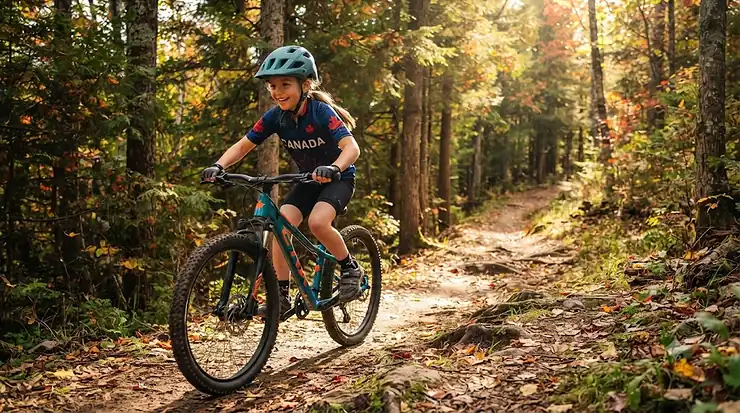
Picking a bike for kids 8-12 feels a lot like buying school shoes for a kid who’s mid-growth-spurt — whatever you choose today might be too small by Victoria Day weekend. The good news is that this particular age bracket lines up almost perfectly with one wheel size: 24 inches. That’s the sweet spot where a kid’s first geared bike lives, where coaster brakes give way to hand brakes, and where “big kid bike” stops being aspirational and starts being accurate. A bike for kids 8-12 typically means a 24 inch wheel, a multi-speed drivetrain (usually 7 to 21 gears), and a frame geometry built for a rider somewhere between 49 and 60 inches tall.
We dug into real specs, verified availability, and aggregated review sentiment from cycling-specific testers and Amazon shoppers to build this guide — no invented five-star raves, no copy-pasted listing text. Just what actually matters when a kid swings a leg over a 24 inch frame for the first time. Cycling also happens to be one of the more reliable ways to get a Canadian kid moving, and ParticipACTION’s Children and Youth Report Card has repeatedly found that most Canadian kids fall short of national movement guidelines, which makes a bike that actually gets ridden more valuable than one that just looks good in the driveway.
Below, you’ll find seven real, purchasable bikes spanning budget to premium, honest commentary on where each one shines or falls short, and a handful of frameworks for narrowing things down fast. Let’s get into it.
Quick Comparison Table
| Bike | Wheel Size | Speeds | Weight | Best For |
|---|---|---|---|---|
| RoyalBaby Freestyle 7 24″ | 24″ | 7-speed | Approx. 28-30 lb | Tightest budget, durable build |
| Huffy Stone Mountain 24″ | 24″ | 21-speed | Approx. 32-35 lb | Classic big-box value |
| Guardian Ethos 24″ | 24″ | 7-speed | Approx. 25.5 lb | Safer braking for nervous riders |
| Schwinn High Timber ALX 24″ | 24″ | 21-speed | Approx. 30 lb | Trail-curious beginners on a budget |
| Specialized Riprock 24 | 24″ | 9-speed | Approx. 28 lb | Kids progressing into real trails |
| Prevelo Alpha Four | 24″ | 9-speed | 19.2 lb | Lightest capable mountain build |
| Woom Explore 5 24″ | 24″ | 8-speed | Approx. 20.3 lb | Effortless all-around riding |
This table is a snapshot, not the whole story — weight and gearing only tell you so much about how a bike actually rides. Notice the spread: two options sit well under C$300, three land in the mid-range once you factor in disc brakes and suspension, and two are boutique builds where the weight savings alone can change how far a kid is willing to ride. If your household prioritizes low weight above almost everything else, skip straight to the Prevelo and Woom entries; if durability-per-dollar is the goal, the RoyalBaby and Huffy rows deserve a longer look first.
💬 Just one click — help others make better buying decisions too!😊
Top 7 Bikes for Kids 8-12: Expert Analysis
1. RoyalBaby Freestyle 7 24″ — toughest budget build on Amazon
The RoyalBaby Freestyle line has built its reputation on being the durable kids bike Amazon shoppers reach for when they want a real bicycle without a real-bicycle price tag. The 24 inch Freestyle 7 carries over the brand’s signature sealed-bearing hubs, which matter more than they sound — sealed bearings keep dirt and moisture out of the hub, so the wheels keep spinning smoothly long after a cheaper bike’s bearings would be grinding.
Spec-wise, expect a steel frame, dual hand brakes, a 7-speed drivetrain, a water bottle holder, and a kickstand, all shipped roughly 95% pre-assembled. That steel frame is heavier than the aluminum options further down this list, but it’s also harder to dent or crack if the bike spends its life getting dropped on a driveway. RoyalBaby builds its bikes to CPSC and ISO safety standards, which is worth confirming on the listing before you buy any kids bicycle 24 inch wheel model from a lesser-known brand.
Reviewers on Amazon and cycling-test sites consistently note that RoyalBaby’s smaller wheel sizes ship with sizing charts that run generously wide — Two Wheeling Tots specifically flagged this on the 14 and 16 inch Freestyle models, and it’s worth measuring your kid’s inseam rather than trusting the age range on the 24 inch box.
Pros:
- ✅ Sealed bearing hubs resist grit for smoother long-term pedaling
- ✅ Dual hand brakes with kid-sized reach for smaller hands
- ✅ Compliant with CPSC and ISO safety standards
Cons:
- ❌ Steel frame adds noticeable weight versus aluminum rivals
- ❌ Sizing charts have run generous on other Freestyle sizes
At the time of research, the Freestyle 7 24″ sits in the C$220-C$280 range, making it one of the strongest value plays in this whole roundup — check current price before ordering, since RoyalBaby pricing shifts with colour and retailer.
2. Huffy Stone Mountain 24″ — lightest wallet-friendly classic
Huffy has been the default “first real bike” brand in North American driveways for decades, and the Stone Mountain keeps that tradition going in a 24 inch mountain-bike-styled package. It’s built around a Shimano-equipped 21-speed drivetrain, which is a genuine step up from the single-speed and 7-speed budget bikes on this list — more gears means an easier low range for hill starts and a taller high range for flat-out neighbourhood sprints.
Front suspension (or dual suspension on some trims) takes the edge off cracked sidewalks and gravel driveways, though it’s worth setting expectations: budget suspension forks mostly add comfort, not real off-road capability. The adjustable saddle buys a season or two of extra growing room, which matters when you’re trying to stretch a single bike across a birthday and a growth spurt.
Because the Stone Mountain competes directly on price with other big-box 24 inch bikes, component quality is the trade-off. As with most bikes in this price bracket, derailleurs and brake pads are entry-level parts that may need a tune-up sooner than pricier alternatives — budget an hour with a home tool kit or a local shop visit within the first few months.
Pros:
- ✅ Shimano-equipped 21-speed drivetrain for real gear range
- ✅ Front suspension smooths out rough pavement and gravel
- ✅ Adjustable saddle stretches the fit across a growth spurt
Cons:
- ❌ Entry-level components may need early adjustment
- ❌ Heavier overall build than mid-range aluminum options
Huffy’s Stone Mountain 24″ typically lands under C$250, squarely inside the “best kids bike under 300” bracket that budget-focused parents are usually hunting for.
3. Guardian Ethos 24″ — safest braking system for panic stops
Guardian built its whole brand around a single idea: kids panic and grab the front brake too hard, which is how “over the bars” crashes happen. The Ethos (marketed simply as the Guardian 24) solves that with SureStop, a patented single-lever braking system that automatically applies the correct proportion of force to both wheels at once, so a panicked full-grip stop doesn’t send a kid over the handlebars.
Beyond the braking system, the Ethos is a solid, unglamorous all-rounder: a durable steel frame with clean internal cable routing, a 7-speed drivetrain with a twist-grip shifter that’s easier for smaller hands than a trigger shifter, and smooth-rolling tires tuned for pavement and packed paths rather than singletrack. It ships with a kickstand, water bottle mounts, and a healthy dose of reflectors.
Guardian doesn’t chase flashy colourways the way big-box brands do, and reviewers consistently frame that as the trade-off for a bike that’s engineered around one specific safety problem most other brands ignore entirely. At roughly 25.5 lb, it’s noticeably lighter than the Huffy and RoyalBaby entries above, but still heavier than the boutique aluminum builds later in this list.
Pros:
- ✅ SureStop single-lever braking reduces over-the-bars risk
- ✅ Internal cable routing keeps lines protected and tidy
- ✅ Twist-grip shifter is easier for smaller hands than triggers
Cons:
- ❌ Fewer colour and trim options than mainstream brands
- ❌ Steel frame still heavier than premium aluminum builds
The Guardian Ethos generally sits in the C$300-C$380 range, positioning it as a mid-tier pick that’s worth the jump over pure budget bikes for families who prioritize braking safety above all else.
4. Schwinn High Timber ALX 24″ — best value trail-ready gearing
Schwinn’s High Timber ALX has been a go-to children’s first geared bike for years because it packs mountain-bike features — front suspension, a 21-speed drivetrain, and mechanical disc brakes — into a genuinely accessible price point. The aluminum frame (the “ALX” designation) keeps weight more reasonable than Schwinn’s steel-frame High Timber variants, and the alloy triple crank is a small but real maintenance win, since alloy resists corrosion better than the stamped-steel cranks found on cheaper bikes.
The 21-speed twist shifters give kids a wide enough range to handle both flat neighbourhood cruising and moderate hills, while mechanical disc brakes provide more consistent stopping power in wet Canadian spring and fall riding than the rim brakes found on cheaper competitors.
Here’s where honesty matters: aggregated owner reviews on this model are genuinely mixed. Several buyers describe it as a great entry-level trail bike for the money, while others report the bike arriving with a front brake caliper rubbing the wheel or a derailleur that needed re-indexing out of the box — issues that are common across mass-produced bikes at this price point and usually fixable with 15 minutes and an Allen key, but worth knowing before you commit.
Pros:
- ✅ Front suspension and disc brakes rare at this price
- ✅ 21-speed range handles hills better than 7-speed rivals
- ✅ Aluminum frame keeps weight down versus steel siblings
Cons:
- ❌ Some owners report factory brake or derailleur adjustment needed
- ❌ Stock saddle comfort criticized in aggregated reviews
At the time of research, the High Timber ALX 24″ typically runs in the C$280-C$350 range, making it a strong middle-ground pick between pure budget bikes and full mountain-bike-branded models.
5. Specialized Riprock 24 — best for aspiring trail riders
Once a kid outgrows “riding around the block” and starts eyeing the local pump track or a beginner singletrack loop, the Specialized Riprock 24 is where a lot of serious kids-bike shortlists start. The 2026 model pairs Promax hydraulic disc brakes with a 9-speed MicroSHIFT Advent drivetrain — hydraulic brakes are a meaningful upgrade over mechanical discs because they self-adjust for pad wear and deliver more consistent lever feel, which matters when a kid’s hand strength is still developing.
The 68-degree head tube angle makes the Riprock a confident, nimble climber, while 2.1 inch wide tires add real grip across loose gravel and root-strewn trail sections that would make a narrower-tired bike squirrelly. An 11-42t cassette gives a genuinely wide gear range, so a determined 10-year-old can grind up a fire road climb without walking. The bike is also dropper-post compatible, a feature almost never seen at this size, which lets a kid drop their saddle for descents the same way an adult trail rider would.
Two Wheeling Tots’ testing team has praised the Riprock’s approachable-yet-capable feel, noting the added 40mm-rise handlebar keeps the riding position comfortable without feeling stretched out for younger riders in the 8-12 bracket.
Pros:
- ✅ Hydraulic disc brakes self-adjust for consistent stopping power
- ✅ Wide 11-42t cassette makes climbing genuinely manageable
- ✅ Dropper-post compatibility is rare at this size and price
Cons:
- ❌ Premium pricing versus department-store 24 inch bikes
- ❌ Trail-capable build adds weight versus ultralight rivals
Expect the Riprock 24 to land in the C$650-C$800 range, which puts it firmly in specialty-bike-shop territory rather than big-box pricing — a reasonable ask if singletrack riding is genuinely in the picture.
6. Prevelo Alpha Four — closest thing to a real mountain bike
The Prevelo Alpha Four MkIII is what happens when a brand builds a kids bike with zero corners cut on the drivetrain and brakes. At 19.2 lb, it’s lighter than several bikes on this list despite a burlier, more mountain-bike-esque frame than most 24 inch options, and that combination — light frame, capable geometry — is unusual enough that Rascal Rides specifically called it out as one of the few kids bikes built with genuinely adult-bike-level quality.
Hydraulic disc brakes and tubeless-ready wheels are the headline features here. Tubeless-ready wheels let a family run lower tire pressure without pinch-flat risk, which translates directly into better grip on loose or wet surfaces — a real advantage for Canadian trail conditions through spring melt and fall leaf litter. Wide 1.95 inch tires round out a build that can comfortably handle gentle singletrack and gravel riding, not just neighbourhood pavement.
Because Prevelo sells direct-to-consumer rather than through a dealer network, service and fit-check support look different than what you’d get at a local specialized bike shop — something to factor in if hands-on sizing help matters to your family. The reward for that trade-off is a bike that reviewers note holds resale value well, since the frame and components are built to be handed down or sold rather than replaced.
Pros:
- ✅ Exceptionally light at 19.2 lb for a trail-capable build
- ✅ Tubeless-ready wheels allow lower pressure for better grip
- ✅ Strong resale and hand-me-down value reported by owners
Cons:
- ❌ Premium pricing puts it beyond most casual-rider budgets
- ❌ Direct-to-consumer model means fewer local service touchpoints
At the time of research, the Alpha Four sits in the C$800-C$950 range — a genuine investment, but one aimed squarely at families who know their kid is going to ride hard and ride often.
7. Woom Explore 5 24″ — lightest all-rounder for effortless miles
If there’s a single spec that defines the Woom Explore 5, it’s weight: at roughly 20.3 lb with pedals (about 19.5 lb without), it’s dramatically lighter than most 24 inch bikes on the market, some of which tip the scales at 35 lb or more. That weight difference isn’t a marketing footnote — Rascal Rides’ testing found it lets kids pedal farther, climb more confidently, and simply want to ride more often, because a lighter bike is a less exhausting bike.
The Explore 5 pairs an 8-speed microSHIFT Acolyte trigger shifter with Promax hydraulic disc brakes, a combination that’s genuinely rare on a hybrid-style kids bike rather than a full mountain bike. Schwalbe Billy Bonkers all-terrain tires handle pavement and packed dirt equally well, and the frame’s adjustable stem and seatpost — marked with a simple ABC sizing guide — mean the bike can grow with a kid across a wider height range than most 24 inch competitors.
Aggregated reviewer sentiment on the Explore 5 is close to universally positive on ride feel and build quality, with the recurring caveat being price. Two Wheeling Tots’ testers noted that on short, flat commutes, some kids didn’t feel a dramatic difference versus a Guardian 24, making it harder to justify the price gap for purely neighbourhood riders — but for kids who ride aggressively or cover real distance, the lighter weight and stronger brakes showed up clearly in testing.
Pros:
- ✅ Class-leading light weight around 20 lb boosts confidence
- ✅ Hydraulic disc brakes are rare at this size and weight
- ✅ Adjustable stem and seatpost extend the bike’s usable years
Cons:
- ❌ Highest price tag of any bike in this roundup
- ❌ Narrower gear range can limit top-end speed for strong riders
Expect the Explore 5 24″ to run in the C$1,000-C$1,200 range at the time of research — the ceiling of this list, but backed by a reputation for holding resale value that can offset some of that upfront cost.
Setting Up, Sizing, and Maintaining a 24 Inch Kids Bike
Getting the bike home is only step one. Before your kid takes a single lap around the block, measure their inseam rather than relying on the age range printed on the box — most 24 inch bikes fit riders roughly 49 to 60 inches tall, but frame geometry varies enough between brands that age alone is an unreliable guide. Set the saddle so your kid can touch the ground with the balls of their feet while seated; too high invites tip-overs at stop signs, too low wastes pedaling power on climbs.
In the first 30 days, plan on a quick post-break-in tune-up. New cables stretch and settle, so brakes and derailleurs that felt fine on day one often need a minor adjustment by week two — this is normal on every bike in this guide, not a defect unique to any single brand. Check tire pressure monthly; underinflated tires are the single most common cause of pinch flats on kids bikes, and a $10 pump with a gauge pays for itself the first time it prevents a flat on a Saturday ride.
A light chain lube applied every few weeks, especially after wet rides, keeps the drivetrain shifting cleanly and prevents the rust that eventually eats through a chain. Common first-month mistakes include over-tightening the seatpost clamp (strip the bolt, and you’re buying a replacement), skipping helmet fit checks as a kid’s head grows, and letting a kickstand-equipped bike get parked on soft grass, where it tips more easily than on pavement.
✨ Don’t Miss These Exclusive Deals!
🔍 Take your bike for kids 8-12 shopping to the next level with these carefully selected products. Click on any highlighted item to check current pricing and availability. The right pick will help your family build authentic riding memories your kids will remember for years!
Real-World Riders: Matching the Bike to Your Kid
Consider three common profiles. First, the neighbourhood cruiser: an 8-year-old who rides to a friend’s house, around the cul-de-sac, and occasionally to school on flat, paved routes. For this rider, a 7-speed bike like the RoyalBaby Freestyle 7 or Guardian Ethos covers everything they’ll actually do, and the extra weight of a steel frame is a non-issue over short, flat distances.
Second, the budding trail rider: a 10 or 11-year-old who’s started tagging along on family gravel rides or hitting the local pump track on weekends. Here, the jump to a 21-speed or 9-speed drivetrain with front suspension and disc brakes — think Schwinn High Timber ALX or Specialized Riprock — starts paying off in climbing ability and stopping confidence on loose surfaces.
Third, the committed young cyclist: a kid who rides most days, covers real mileage, and has outgrown “just a kids bike” mentally if not physically. For this profile, the weight savings of a Prevelo Alpha Four or Woom Explore 5 genuinely change the riding experience — less fatigue means longer rides, and better components mean fewer maintenance headaches for parents. Budget, frequency of use, and terrain should drive this decision more than brand recognition alone.
Common First-Month Problems (and How to Fix Them)
Brakes rubbing or feeling weak: Almost always a cable tension or pad alignment issue that settles after the first few rides; a quick check with an Allen key or a five-minute visit to a local shop usually resolves it.
Chain slipping or skipping gears: Typically a derailleur that needs re-indexing after cable stretch — common on the Schwinn High Timber ALX and other budget multi-speed bikes based on aggregated owner reports, and a normal part of settling in a new drivetrain.
Training-wheel bolts loosening (on bikes that include them): A recurring theme in RoyalBaby owner reviews; a dab of thread-locking compound during initial assembly prevents repeated re-tightening.
Kid complains the bike feels “too heavy”: Usually a sign the bike is either oversized for their current strength or genuinely on the heavier end of this list — the lighter builds from Prevelo and Woom exist specifically to solve this problem for smaller or less-experienced riders.
Squeaky or stiff kickstand: A drop of household oil on the pivot point fixes this in seconds and is often overlooked entirely.
How to Choose a Bike for Kids 8-12
- Start with inseam, not age. Height and inseam measurements predict fit far more reliably than the age printed on a box.
- Match gearing to terrain. Flat neighbourhood riders rarely need more than 7 speeds; hill-heavy routes or trail riding justify 21-speed or wide-range cassette bikes.
- Prioritize brakes for less experienced riders. Hand-brake systems like SureStop or hydraulic discs reduce panic-stop risk for kids still building bike-handling skills.
- Weigh weight seriously. A bike that’s 10+ lb lighter is dramatically easier for a smaller kid to control, especially on climbs and tight turns.
- Set a realistic budget band. Deciding upfront whether you’re shopping under C$300, in the C$300-C$500 mid-range, or the C$650+ premium tier narrows the field fast.
- Check for growth room. Adjustable stems, seatposts, and reach make a bike last through more than a single season.
- Read aggregated review sentiment, not just star ratings. A 4.5-star average can still hide a recurring brake or derailleur issue worth knowing about in advance.
Common Mistakes When Buying a Kids Bicycle 24 Inch Wheel
The most frequent mistake is buying for growth room instead of current fit — a bike that’s too big is harder to control and more dangerous in a panic stop than one a kid will outgrow in a year. A close second is ignoring brake type entirely; coaster-only brakes are fine for younger riders but genuinely limiting for an 8-12-year-old who needs quick, controlled stops in traffic or on trails.
Parents also commonly skip test-fitting the bike in person or checking a detailed sizing chart before ordering online, which leads to returns and re-shipping headaches. Finally, don’t assume more gears automatically means a better bike — a 21-speed drivetrain on a heavy, poorly-assembled frame can ride worse than a well-built 7-speed bike from a brand that focuses on doing fewer things really well. Whatever you choose, Alberta’s cycling safety equipment guidelines are a useful baseline checklist even outside the province — a working brake that can lock the wheel on dry pavement, reflectors, and a bell for shared paths are standard requirements worth confirming before the first ride.
Children’s First Geared Bike vs Single-Speed: What Actually Changes
| Feature | Single-Speed | Geared (7-21 Speed) |
|---|---|---|
| Learning curve | Simpler, nothing to shift | Requires learning gear timing |
| Hill performance | Limited, relies on standing | Low gear makes climbs manageable |
| Maintenance | Minimal, fewer parts to adjust | Derailleur and cable upkeep needed |
| Best For | Younger or first-time riders | Confident riders 8-12 tackling varied terrain |
A single-speed bike is mechanically simpler and has fewer things to go wrong, which is exactly why it dominates the smaller wheel sizes below 20 inches. But by the time a kid is riding a 24 inch frame, most are ready to handle a twist-grip or trigger shifter, and the payoff — an actual low gear for hills — makes a real difference in whether a kid enjoys a route or dreads it. If your child is brand new to pedaling and just moved up from a 20 inch bike, it’s reasonable to start them on the lowest gear of a geared bike and treat it as a single-speed until they’re ready to explore the range.
Youth Bicycle 24 Inch for Different Riders: Boys, Girls, and Beginners
Most of the bikes in this guide, including the RoyalBaby Freestyle, Guardian Ethos, and Schwinn High Timber, are sold as unisex frames or offer separate colourways marketed toward boys or girls without meaningful geometry differences — and that tracks with what cycling researchers have found: anthropometric studies generally show no significant differences between the limb measurements of boys and girls at this age, so a “girls 24 inch bike” and a “boys 24 inch bike” from the same model line will typically ride identically once sized correctly.
Where real differences show up is riding style and confidence level, not gender. A beginner of any gender benefits from the safer braking systems found on the Guardian Ethos or the lighter overall weight of the Woom Explore 5, since both reduce the physical and mental load of learning to handle a bigger bike. A more confident or aggressive rider — again, regardless of gender — is better served by the trail-oriented geometry and wider gear range of the Specialized Riprock or Prevelo Alpha Four. Use riding style, not the colour of the frame, as your primary filter.
Best Kids Bike Under 300: What You Actually Get at Each Price Point
| Price Range | What’s Typical | Example From This List |
|---|---|---|
| Under C$300 | Steel frame, 7-speed, coaster or basic hand brakes | RoyalBaby Freestyle 7, Huffy Stone Mountain |
| C$300-C$500 | Aluminum or upgraded steel, disc brakes, safer braking systems | Guardian Ethos, Schwinn High Timber ALX |
| C$650+ | Hydraulic disc brakes, trail-ready geometry, lighter frames | Specialized Riprock, Prevelo Alpha Four, Woom Explore 5 |
Under C$300, expect a functional, safe bike with heavier steel construction and simpler components — genuinely fine for pavement-focused neighbourhood riding, which is what most 8-12-year-olds actually do most of the time. Crossing into the C$300-C$500 band buys meaningfully better braking and often a lighter frame, which is where a lot of families find their sweet spot. The jump to C$650 and beyond is really about unlocking trail capability and shaving pounds — worth it if your kid is riding aggressively or often, harder to justify for occasional weekend cruisers.
Long-Term Cost & Maintenance: Is a Durable Kids Bike From Amazon Worth It?
A cheaper bike isn’t automatically a false economy, but it does shift costs from purchase price to ongoing maintenance. Budget bikes in the C$220-C$280 range may need a brake adjustment, derailleur tune, or replacement pedal within the first year, each of which can run C$20-C$60 at a local shop if you’re not doing it yourself. Factor that into your real total cost of ownership rather than comparing sticker prices alone.
Premium bikes like the Prevelo Alpha Four and Woom Explore 5 carry a higher upfront cost but tend to need less intervention early on, and both brands have built reputations for strong resale value — a real consideration given how quickly kids outgrow a 24 inch frame. If you expect to sell or hand the bike down to a younger sibling within two to three years, a higher-quality build can effectively cost less per year of use than it appears on the price tag alone, even before accounting for reduced maintenance.
Safety, Sizing and Regulations Guide for Canadian Families
Helmet rules vary by province, so it’s worth checking your local requirements directly. In Ontario, for example, cyclists under 18 are legally required to wear an approved bicycle helmet, and parents or guardians of children 16 and under are responsible for making sure that happens. Other provinces set their own age thresholds or all-ages requirements, so confirming your specific rules through your provincial transportation ministry site is worth the two minutes it takes.
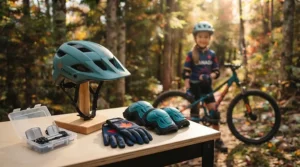
Beyond the legal minimum, the safety case for helmets is strong regardless of where you live: Canada’s public health research notes that helmets can prevent between 50% and 69% of head injuries among cyclists. Look for a helmet certified to CSA, Snell, or ASTM standards, and replace it after any significant impact even if it looks undamaged — the foam liner compresses on impact in ways that aren’t always visible.
For the bike itself, a working front and rear brake is a baseline safety requirement in most provinces, along with reflectors and, in some jurisdictions, a bell or horn for shared paths. All seven bikes in this guide meet or exceed those baseline requirements out of the box, which isn’t guaranteed with every off-brand bike sold online — always confirm dual functioning brakes before your kid’s first ride, regardless of which model you choose.
Frequently Asked Questions
❓ What size bike does an 8-12 year old need?
❓ How many gears should a first geared bike have?
❓ Is a 24 inch bike good for a beginner?
❓ What is the best kids bike under 300 dollars?
❓ Do girls 24 inch bikes ride differently than boys models?
Conclusion
There’s no single best bike for kids 8-12 — there’s only the best bike for your specific kid, their terrain, and your budget. If you’re working with a tighter budget and mostly-flat riding, the RoyalBaby Freestyle 7 or Huffy Stone Mountain will genuinely cover what your family needs. If safer braking is the priority, especially for a newer or more nervous rider, the Guardian Ethos earns its spot. And if your kid is already riding hard, covering real distance, or eyeing actual trails, the jump to a Specialized Riprock, Prevelo Alpha Four, or Woom Explore 5 pays off in ways a spec sheet alone doesn’t fully capture — lighter weight and better brakes translate directly into more confident, more frequent riding.
Whichever bike you land on, pair it with a properly fitted, certified helmet and a quick monthly maintenance check, and you’ll get years of use out of a single 24 inch frame. Cycling remains one of the simplest ways to get a kid outside and moving, and the right bike is the difference between a purchase that sits in the garage and one that gets ridden into the ground.
Recommended for You
- Off-Road Hoverboard for Kids: 7 Rugged Picks for 2026
- How to Choose a Safe Hoverboard for Kids in Canada: Top 7 (2026)
- Best Hoverboard for Kids in Canada 2026: Top 7 Picks Reviewed
Disclaimer: This article contains affiliate links. As an Amazon Associate, I earn from qualifying purchases. If you purchase products through these links, we may earn a small commission at no additional cost to you.
✨ Found this helpful? Share it with your friends! 💬🤗
